
Are Lead Magnets Worth It?
You want more qualified leads without wasting time or budget. That goal pushes many businesses to ask if lead magnets truly deliver results or just add extra work. The short answer matters because it shapes how you grow your email list and future sales.
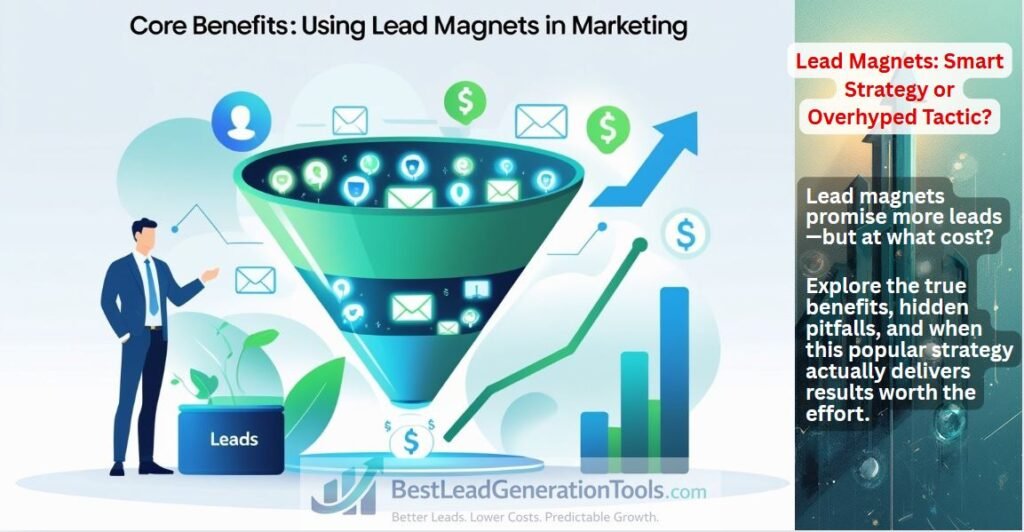
Yes, lead magnets are worth it when you offer clear value to the right audience and connect them to a real business goal. They give people a reason to share their contact details and start a relationship with your brand.
Let’s look at the real benefits, the limits you should watch for, and how to decide if lead magnets fit your business model. You will see where they work well, where they fall short, and how to judge their value for your specific situation.
Core Benefits of Using Lead Magnets
Lead magnets give you a clear trade: useful content in return for contact details. When you use them well, they support steady email list growth, strengthen brand awareness, and improve how you identify and nurture leads.
Growing Your Email List
Lead magnets help you build an email list with people who show real interest in what you offer. Instead of asking visitors to “sign up,” you give them a specific reason to share their email. This improves lead capture rates and reduces low‑intent signups.
Strong formats include checklists, templates, and short guides. Many businesses see higher opt‑in rates from these tools because they solve one clear problem. Studies cited in lead magnet conversion benchmarks show that simple content upgrades often outperform long ebooks.
An email list built this way supports ongoing lead nurturing. You reach people who already trust you enough to opt in. That trust improves open rates and keeps your list healthy over time.
Building Brand Authority
Lead magnets also support brand awareness by showing your expertise early in the relationship. When you deliver useful content right away, you set expectations for quality and relevance. This matters before any sales message appears.
Well‑designed lead magnets position you as a helpful resource. Guides, case studies, and tutorials let you explain how you think and how you solve problems. Over time, this builds familiarity and confidence in your brand.
Marketing research on the benefits of lead magnets in content marketing shows they help brands stay top of mind during longer buying cycles. That visibility makes future emails, offers, and follow‑ups feel more natural and less intrusive.
Segmenting and Qualifying Leads
Lead magnets make it easier to attract high-quality leads instead of a large but unfocused list. Each offer appeals to a specific need, which helps you identify intent from the start.
For example, a pricing checklist signals a different level of readiness than a beginner guide. This self‑selection helps you sort qualified leads without asking extra questions. You can tag contacts based on what they download and tailor follow‑up emails.
This approach improves how you nurture leads. Targeted messages feel more relevant and drive better engagement. Guides on how lead magnets capture qualified leads highlight that segmentation reduces wasted outreach and supports stronger long‑term conversions.
Potential Drawbacks and Limitations
Lead magnets can help you grow a list, but they also create clear risks. You may attract the wrong people, spend more time than planned, or face privacy issues if you are not careful.
Attracting Low-Quality Leads
Lead magnets can raise conversion rates while lowering lead quality. You may collect many emails from people who want a free item but have no buying intent. This often shows up later as low open rates and weak responses.
If you rely only on sign-ups, your conversion rate may look strong but fail to support sales goals. You need lead scoring to sort serious prospects from casual users. Without it, sales teams waste time on leads that never convert.
Generic offers also increase this risk. A broad checklist or template often attracts users outside your target market. This mismatch reduces the value of your list and slows revenue growth.
Time and Resource Investment
You must invest real time and effort to create a useful lead magnet. Writing, design, testing, and updates all require planning. A weak asset hurts trust and lowers conversion rates.
You also need systems to support delivery and follow-up. This includes landing pages, email tools, and tracking. Each step adds cost and complexity.
The work does not end after launch. You must review performance, test copy, and refresh content. If you skip updates, the offer becomes stale and your conversion rate drops.
Privacy and Compliance Concerns
Lead magnets require you to collect personal data. This creates legal and trust risks if you manage data poorly. You must clearly explain data use in your privacy policy.
Consent matters. Users need to know what emails they will receive and how often. Vague language increases complaints and unsubscribes.
You also need secure storage and access controls. A simple mistake can damage trust and brand reputation. Strong compliance protects both your audience and your business.
Are Lead Magnets Worth It for Your Business?
Lead magnets can support steady lead generation when they match your offer and audience. They work best when you tie them to clear goals, simple tools, and a defined customer journey.
Best Fit Scenarios
Lead magnets fit well when you need to generate leads from people who are not ready to buy. They help when you sell digital products, services, or subscriptions with longer decision cycles.
You gain value when your audience wants quick, practical help. A checklist, template, or short guide often works better than long content. Many teams use lead magnets as low-cost lead generation tools tied to email or CRM systems.
Lead magnets also work when you map them to a clear step in the customer journey. For example:
| Business goal | Lead magnet type |
|---|---|
| Build email list | Short guide or checklist |
| Qualify interest | Quiz or assessment |
| Promote software | Free trial or demo |
Clear alignment improves follow-up and lead quality, which is why many marketers rely on structured lead magnet strategies.
When to Consider Alternative Strategies
Lead magnets may not fit if your sales cycle is very short. If buyers act fast, direct calls, pricing pages, or demos may convert better.
They also fall short when your audience wants personal contact first. High-ticket services often need trust built through sales calls or referrals instead of downloads. Poor results also happen when the offer feels generic or disconnected from your core product.
If you lack time to maintain emails, tracking, and updates, lead magnets can stall. In that case, content upgrades or direct outreach may work better than traditional magnet.