
Is It Worth It to Pay for Leads? A Data-Driven Guide for 2026
You want to grow your business faster, but building a sales pipeline from scratch takes time you might not have. Many companies face this challenge and wonder if buying leads could be the shortcut they need.
Paying for leads is worth it when you have the right strategy, quality standards, and compliance measures in place to turn purchased contacts into real customers. Without these elements, you risk wasting money on unqualified contacts that never convert. The difference between success and failure comes down to how you approach the process.
We’ll walk through what paid leads actually mean, how to decide if they’re worth it for your business, and what it takes to make them profitable. You’ll learn about the benefits and risks of buying leads, how to choose reliable providers, and practical ways to maximize your return on investment.
Understanding Paid Leads
Paid leads are contacts you purchase from external sources rather than generating yourself through marketing efforts. The cost structure typically works on a per-lead basis, and the quality can vary widely depending on the lead source and verification methods used.
What Are Paid Leads?
Paid leads are prospect contact details that businesses buy from lead generation companies or brokers. When you pay for leads, you receive information like names, phone numbers, email addresses, and sometimes additional details about the prospect’s interests or needs.
These leads come from various collection methods. Some companies gather them through online forms, surveys, or landing pages. Others compile them from public databases or partner networks.
The pricing model usually follows a cost-per-lead (CPL) structure. You know exactly how much each contact costs, which makes budgeting and forecasting easier. Prices range from a few dollars to over $100 per lead depending on the industry and lead quality.
Exclusive leads go to only one buyer, while shared leads get sold to multiple companies. Exclusive leads cost more but face less competition.
How Paid Leads Differ from Organic Lead Generation
Organic lead generation builds prospects through your own marketing channels like content, SEO, or social media. This approach takes time but creates leads who already know your brand.
Paid leads skip the long ramp-up period. You can fill your pipeline immediately instead of waiting months for organic traffic to build. This speed matters when you need to hit quarterly targets or test new markets quickly.
The main trade-off involves relationship quality. Organic leads find you through their own research, so they typically show higher purchase intent. Paid leads might not know your company yet, requiring more effort to convert.
Cost structures also differ significantly. Organic methods need upfront investment in content creation and ongoing optimization work. Buying leads works on a predictable per-contact basis, but conversion rates often run lower than organic channels.
Types of Paid Leads Available
Real estate leads include homebuyers, sellers, or refinance prospects. These often come with property preferences and price ranges. Real estate professionals frequently use paid leads because timing matters in property transactions.
B2B leads target business decision-makers filtered by job title, company size, or industry. These cost more than consumer leads but offer higher potential deal values.
Insurance leads connect agents with people actively shopping for coverage. These leads typically specify the insurance type needed, like auto, home, or life policies.
Service leads cover contractors, lawyers, financial advisors, and other professional services. Geography usually plays a major role in these lead types since most services require local providers.
Lead sources also vary by generation method. Intent-based leads come from people actively searching for solutions. Demographic leads match your target profile but might not be actively shopping yet.
Evaluating the Value of Paying for Leads
Understanding the financial impact of paid leads requires looking at return on investment, calculating your actual costs per lead, and comparing the stability of this approach to traditional marketing methods. These three factors will help you decide if paying for leads makes sense for your business.
Potential Return on Investment (ROI)
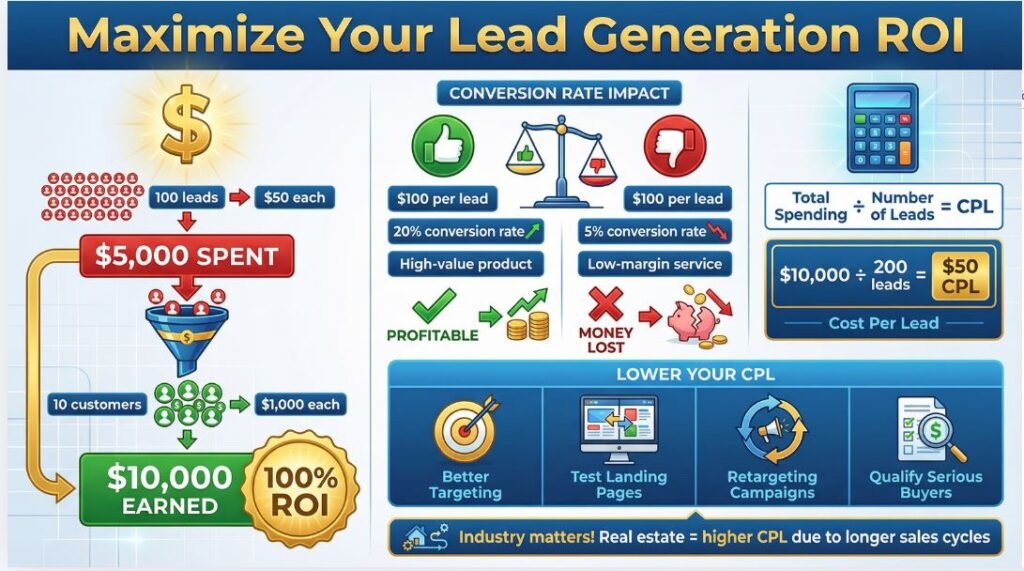
Your ROI depends on how many paid leads actually convert into customers. If you buy 100 leads at $50 each and convert 10 of them into customers worth $1,000 each, you spend $5,000 to make $10,000. That gives you a 100% return.
The conversion rate makes the biggest difference in your ROI. A lead that costs $100 might be worth it if you close 20% of them with a high-value product. That same $100 lead might lose you money if you only close 5% or sell a low-margin service.
You need to track which lead sources give you the best quality. Some paid leads are ready to buy right away. Others need weeks or months of follow-up before they convert. Companies that assess the total potential value of target accounts see better results than those who evaluate each lead separately.
Calculating Cost Per Lead (CPL)
Your cost per lead tells you exactly what you pay for each new prospect. To find your CPL, divide your total lead generation spending by the number of leads you get.
If you spend $10,000 and get 200 leads, your CPL equals $50 per lead. This number helps you compare different lead sources and decide where to spend your budget.
You can lower your CPL by:
- Improving your targeting to reach better prospects
- Testing different landing pages to see which ones convert better
- Using retargeting campaigns to reach people who already showed interest
- Refining your lead qualification to focus on serious buyers
Real estate marketing often has higher CPL rates because property transactions involve bigger decisions and longer sales cycles. Your industry and average sale value will affect what counts as a good CPL for your business.
Predictable Cost Structure versus Traditional Marketing
Paying for leads gives you a fixed cost for each prospect. You know exactly what you will spend before you commit. Traditional marketing like ads or content creation costs money upfront without guarantees.
When you buy leads, you pay $X per lead whether you get 10 or 1,000. With advertising, you might spend thousands testing campaigns before you find what works. Lead buying paired with consent verification and data automation becomes a predictable and scalable growth source.
This predictable cost structure helps you plan your budget more accurately. You can scale your lead acquisition up or down based on your sales team’s capacity. If you need 50 leads this month, you know the exact cost before you start.
Traditional marketing requires ongoing optimization and can take months to show results. Paid leads start flowing as soon as you sign up with a provider.
Benefits of Paying for Leads
Paying for leads offers three main advantages for businesses looking to grow quickly. You get consistent access to potential customers, the ability to scale your sales efforts fast, and a low-risk way to explore new opportunities.
Steady Stream of Leads for Your Pipeline
When you pay for a steady stream of leads, you gain access to a constant flow of potential customers. This removes the uncertainty that comes with waiting for organic marketing to produce results.
You don’t need to worry about dry spells in your pipeline. Lead generation services deliver buyer leads and seller leads on a regular schedule based on your needs. This consistency helps you plan your sales activities better and keep your team busy.
The predictable flow also makes it easier to forecast revenue. You know roughly how many leads you’ll receive each month, which helps you estimate how many will convert into customers. This is especially valuable if you need to hit specific monthly or quarterly targets.
Key benefits of consistent lead flow:
- No gaps in your sales pipeline
- Better team workload planning
- More accurate revenue forecasting
- Reduced pressure on marketing teams
Speed and Scalability
Buying leads lets you skip the long ramp-up of building inbound campaigns from scratch. You can get prospects in front of your sales team immediately instead of waiting months for organic strategies to work.
This speed matters most when you need to hit goals fast. If you have quarterly targets approaching or want to launch a new product quickly, paid leads give you instant access to potential customers.
Scaling up is just as simple. You can increase your lead volume by ordering more from your provider. There’s no need to hire more marketing staff or wait for SEO rankings to improve. The cost-effective approach means you pay a set price per lead, making budgeting straightforward.
Testing New Markets Easily
Paying for leads gives you a low-risk way to explore new customer segments or geographic areas. You can test your messaging and product fit without committing to a full marketing campaign.
If you want to see if your product works for a different industry, you can buy a small batch of leads from that sector. This lets you validate demand before spending heavily on advertising or hiring specialized sales staff.
The same approach works for new locations. You can purchase leads from a specific region to test market interest. If the leads convert well, you can scale up your efforts there. If they don’t perform, you’ve only spent money on the test batch instead of a complete campaign.
Risks and Challenges of Buying Leads
Purchasing leads comes with real problems that can hurt your business. Poor quality contacts, outdated information, and fierce competition for the same prospects can waste your money and your team’s time.
Lead Quality Concerns
The biggest risk when buying leads is getting contacts that don’t match what you need. Many lead sellers provide outdated or incorrect information that clogs your pipeline with people who have no interest in your product.
Lead quality varies widely between vendors. Some companies sell contacts that were never properly screened or validated. You might pay for email addresses that bounce, phone numbers that don’t work, or job titles that are completely wrong.
Without qualified leads, your sales team wastes hours trying to reach people who:
- Don’t fit your target market
- Have no buying authority
- Already bought from a competitor
- Never actually requested information
The legal responsibility for compliance falls on you, not the seller. If contacts didn’t properly consent to be reached, you could face serious fines. This makes checking lead quality before you pay even more important.
Non-Exclusive and Recycled Leads
Recycled leads are contacts that have been sold over and over to different companies. These people get bombarded with calls and emails until they stop responding to everyone.
Most budget lead packages aren’t exclusive to your company. The same contact information goes to multiple buyers at once or over time. By the time you reach out, that person may have already talked to five other companies selling similar products.
Recycled leads rarely convert well because they’re tired of being contacted. They might have shown interest months ago but have since lost that interest or already made a purchase. You end up paying for stale contacts that had value once but don’t anymore.
Competition and Shared Leads
When you buy shared leads, you’re racing against other companies to contact the same person first. Your sales team needs to respond within minutes, not hours, or the lead will likely choose whoever called first.
This creates extra pressure on your team and reduces your chances of success. Even warm leads lose their value quickly when three or four competitors are all trying to close the same deal.
The reality of shared lead competition:
- Leads get contacted by multiple companies within the same hour
- Response time becomes more important than your actual pitch
- Price pressure increases as competitors undercut each other
- Your brand message gets lost in the noise
Your team must work harder and faster just to get the same results they would with exclusive leads. This extra effort costs time and money that could go toward generating your own prospects instead.
Choosing the Right Lead Generation Company
Finding the right company requires careful evaluation of their lead sources, understanding whether leads are exclusive or shared, and reviewing their contract terms and pricing structures.
Evaluating Lead Sources and Providers
You need to understand exactly how a lead generation company generates their leads before signing any agreement. A good lead generation company should use targeted marketing strategies, behavioral data, and verification processes rather than scraping random contacts from the internet.
Ask potential providers specific questions about their methods. Find out if they customize their approach based on your needs or use broad parameters that might waste your money. Understanding how companies qualify leads through innovative tools instead of outdated forms can help you identify quality providers.
Look at their track record in your industry. Request case studies or examples of successful campaigns similar to your business needs. Check reviews and testimonials from other businesses to see if clients are satisfied with the results they received.
The provider should ask detailed questions about your ideal customer demographics, unique value proposition, and capacity for handling leads. This shows they care about delivering relevant prospects rather than just hitting volume targets.
Exclusive versus Shared Leads
Exclusive leads cost more but increase your chances of making a sale because you won’t compete with other businesses for the same prospect. With shared leads, the same contact information gets sold to multiple companies in your market.
When you buy real estate leads or any other type, ask the provider directly about their exclusivity policy. Some companies don’t disclose that they sell the same leads to your competitors until after you’ve paid.
Shared leads require faster response times because other businesses are reaching out to the same people. Your sales team needs to contact these prospects within minutes to have any advantage. Exclusive leads give you more time to nurture the relationship without pressure from competitors.
Consider your budget and sales capacity when deciding. If you have a strong sales process and can follow up quickly, shared leads might work. For higher-ticket services or complex sales cycles, exclusive leads typically provide better returns.
Reviewing Contracts and Pricing Models
Understanding the difference between pay per click and pay per call pricing is critical before choosing a provider. Pay per click charges you for each ad click regardless of outcome, while pay per call only charges when someone actually contacts your business.
Read the contract carefully to understand what happens if leads don’t meet agreed-upon quality standards. Reputable lead generation services will have clear policies for refunds or replacements when leads fail to match your criteria.
Ask about delivery methods and timing. You need to know how quickly leads arrive and whether the delivery schedule matches your team’s capacity to handle them. Some providers send leads in batches while others deliver them in real-time.
Check if the contract locks you into long-term commitments or allows flexibility to adjust based on results. Look for hidden fees beyond the base cost, such as setup charges, monthly minimums, or cancellation penalties that could make the service more expensive than advertised.
Top Platforms and Options for Paid Leads
Real estate agents have several established platforms to choose from when buying leads, each with different pricing models and lead quality standards. The major players include Zillow, ReadyConnect Concierge, and other specialized real estate lead vendors that cater to agents looking for ready-to-contact prospects.
Zillow Leads and Their Value
Zillow operates as one of the largest lead generation platforms in real estate. You pay for leads from potential buyers and sellers who submit their information while browsing property listings on the site.
The platform uses a pay-per-lead model where costs vary by market and competition. In some markets, you might pay $20-$60 per lead, while competitive areas can reach $100 or more per contact.
Zillow lead characteristics include:
- High volume of inquiries from active property searchers
- Shared leads that go to multiple agents in some programs
- Exclusive Premier Agent leads available at higher price points
- Built-in CRM tools for follow-up management
The main challenge with Zillow leads is that many contacts are in early research phases. They might not be ready to work with an agent immediately, requiring consistent nurturing over weeks or months before conversion.
ReadyConnect Concierge and Similar Services
ReadyConnect Concierge provides a different approach by offering phone-verified leads with human interaction before delivery. The service pre-qualifies contacts through conversations to determine their readiness and timeline.
This concierge model typically costs more per lead than basic platforms. You receive fewer total leads but with higher qualification standards and better information about buyer or seller intent.
Similar services in this category include REDX and Boomtown, which focus on pre-screening and warm transfers. These platforms often charge monthly subscription fees ranging from $250 to $500 plus per-lead costs.
The advantage is reduced time spent on initial qualification calls. Your follow-up efforts can focus on building relationships rather than determining basic eligibility and interest levels.
Other Major Lead Vendors in Real Estate
Beyond Zillow and concierge services, you have access to multiple lead generation companies that specialize in real estate. Realtor.com offers leads from property searches similar to Zillow’s model with competitive pricing in most markets.
Opcity (now part of Realtor.com) provides referrals from buyers actively working with the platform. Market Leader delivers leads through targeted advertising campaigns and landing pages you can customize for your local area.
Key platform differences:
| Platform Type | Average Cost | Lead Volume | Exclusivity |
|---|---|---|---|
| Zillow/Realtor.com | $30-$100+ | High | Varies |
| Concierge Services | $50-$150+ | Medium | Usually exclusive |
| Market Leader/BoldLeads | Subscription-based | Medium-High | Exclusive to you |
HomeLight and UpNest operate on different models where they match sellers with agents based on performance data. You typically pay a referral fee percentage at closing rather than upfront per-lead costs.
Best Practices for Maximizing Paid Leads
Successful lead acquisition requires more than just purchasing contacts. You need a systematic approach to nurture relationships, measure performance accurately, and blend paid strategies with your existing marketing efforts.
Nurturing and Following Up Effectively
Speed matters when you receive paid leads. You should contact new leads within five minutes of receiving them to maximize conversion rates. Research shows that leads contacted quickly are much more likely to engage than those who wait hours or days for a response.
Create a structured follow-up schedule that includes multiple touchpoints. Your first contact should acknowledge their interest and provide immediate value. Follow up with emails, phone calls, and text messages over the next two weeks.
Personalize every interaction based on the information you have about each lead. Generic messages reduce trust and lower conversion rates. Reference their specific needs, timeline, and concerns in your communications.
Use a CRM system to track every interaction with your paid leads. This prevents duplicate outreach and helps you identify which messages work best. Many strategies for working with pay-per-lead companies emphasize the importance of proper lead management tools.
Tracking and Measuring Lead Conversion
Set up conversion tracking before you buy any leads. You need to know which leads become customers and how much revenue they generate. Track metrics like contact rate, appointment rate, and final conversion rate for each lead source.
Calculate your cost per acquisition by dividing total lead costs by the number of customers gained. Compare this to your customer lifetime value to determine if your investment makes sense. If acquisition costs exceed 30% of customer value, you may need to adjust your approach.
Monitor lead quality scores based on how well leads match your ideal customer profile. Not all qualified leads are equal. Grade leads based on budget, timeline, and decision-making authority.
Create regular reports that show which lead providers deliver the best results. Cut ties with sources that consistently provide low-quality contacts. Understanding lead generation ROI metrics helps you allocate budget more effectively.
Integrating Paid Leads with Organic Marketing
Paid leads work best when combined with organic marketing efforts. Use content marketing, social media, and SEO to build trust with leads who came from paid sources. Send new leads to landing pages with testimonials, case studies, and educational resources.
Retarget paid leads with display ads and social media campaigns. Many leads need multiple exposures to your brand before they convert. Show them relevant ads based on their interests and behaviors.
For real estate marketing, combine purchased leads with neighborhood guides, market reports, and virtual tours. This positions you as an expert rather than just another salesperson. Paid leads should enter the same nurturing sequences as your organic leads to maintain consistency.
Test different messaging for paid versus organic audiences. Paid leads may need more education about your services since they didn’t seek you out initially. Adjust your strategies to maximize lead generation based on how each group responds to your outreach.
Making the Decision: Is Paying for Leads Right for You?
The choice to pay for leads depends on your business goals, sales capacity, and how well you can convert prospects into customers. Your market conditions and existing lead generation systems play a major role in whether purchased leads will deliver a positive return.
Assessing Your Market and Business Model
Your business model determines whether paying for leads makes financial sense. Calculate your customer lifetime value and compare it to your cost per lead. If a lead costs $30 but your average customer brings in $500, the math works in your favor.
Consider your sales team’s capacity and speed. Bought leads often require quick follow-up since competitors may contact the same prospects. Your team needs the bandwidth to reach out within minutes or hours, not days.
Look at your current lead generation results. If your organic efforts produce enough qualified prospects, you might not need to buy leads. But if you’re falling short of monthly targets or entering new markets, purchased leads can fill the gap fast.
Your industry matters too. Some sectors have well-established lead vendors with quality contacts, while others have limited options or compliance concerns that make buying risky.
Common Scenarios Where Paid Leads Make Sense
Testing new markets is one of the best uses for paid leads. You can buy a small batch of contacts in an unfamiliar industry or region without building an entire marketing campaign. This lets you test messaging and product fit quickly.
Meeting urgent sales quotas often requires speed that organic marketing can’t deliver. When you need to hit quarterly numbers fast, buying leads provides immediate pipeline fill.
Seasonal businesses benefit from paid leads during peak periods when demand spikes. You can scale up quickly without maintaining year-round marketing infrastructure.
Launching new products works well with purchased leads because you get targeted contacts who match your ideal customer profile. You skip the months needed to build awareness from scratch.
Alternatives to Paying for Leads
Building your own lead generation system gives you more control and often better quality over time. Content marketing, SEO, and social media take longer to produce results but create owned assets that generate leads continuously.
Referral programs turn existing customers into lead sources. You pay only when a referral converts, which typically costs less than buying cold leads.
Strategic partnerships with complementary businesses can create warm lead exchanges. A web designer might partner with a copywriter to share client referrals.
Paid advertising on platforms like Google or LinkedIn gives you direct control over targeting and messaging. You own the data and can optimize campaigns based on what converts best. While you still pay for traffic, you build an asset that improves with testing.